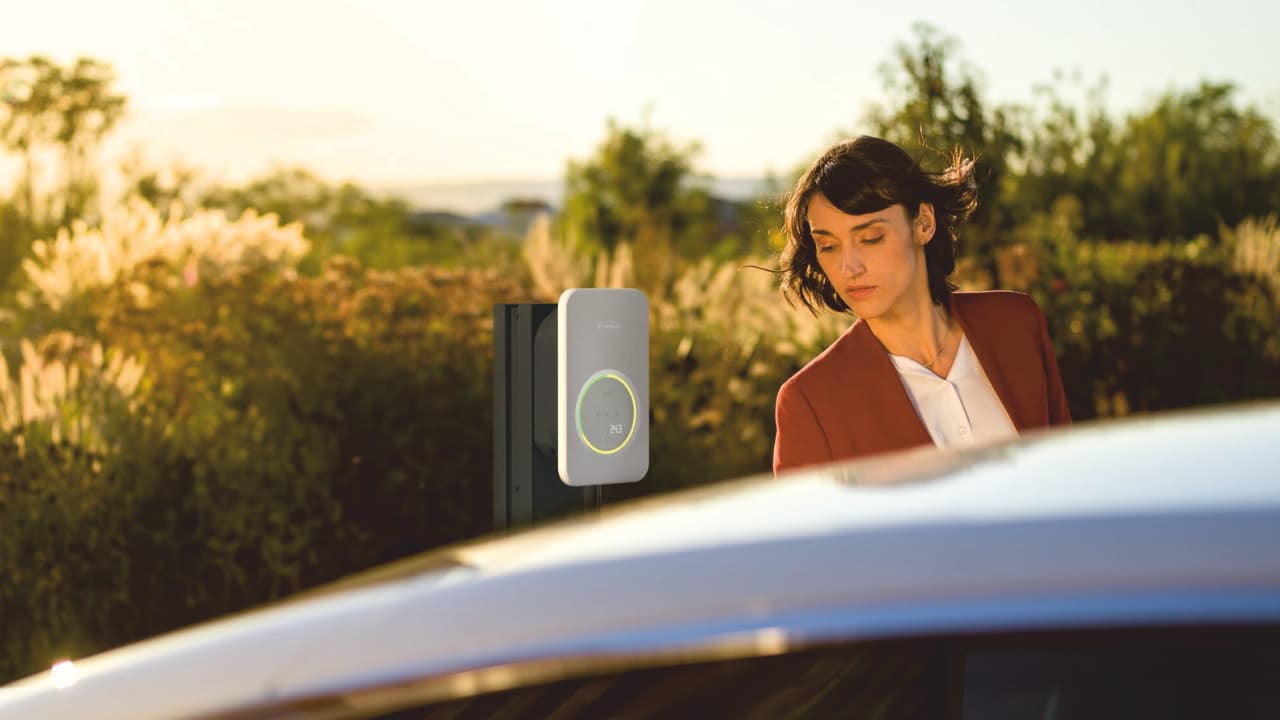

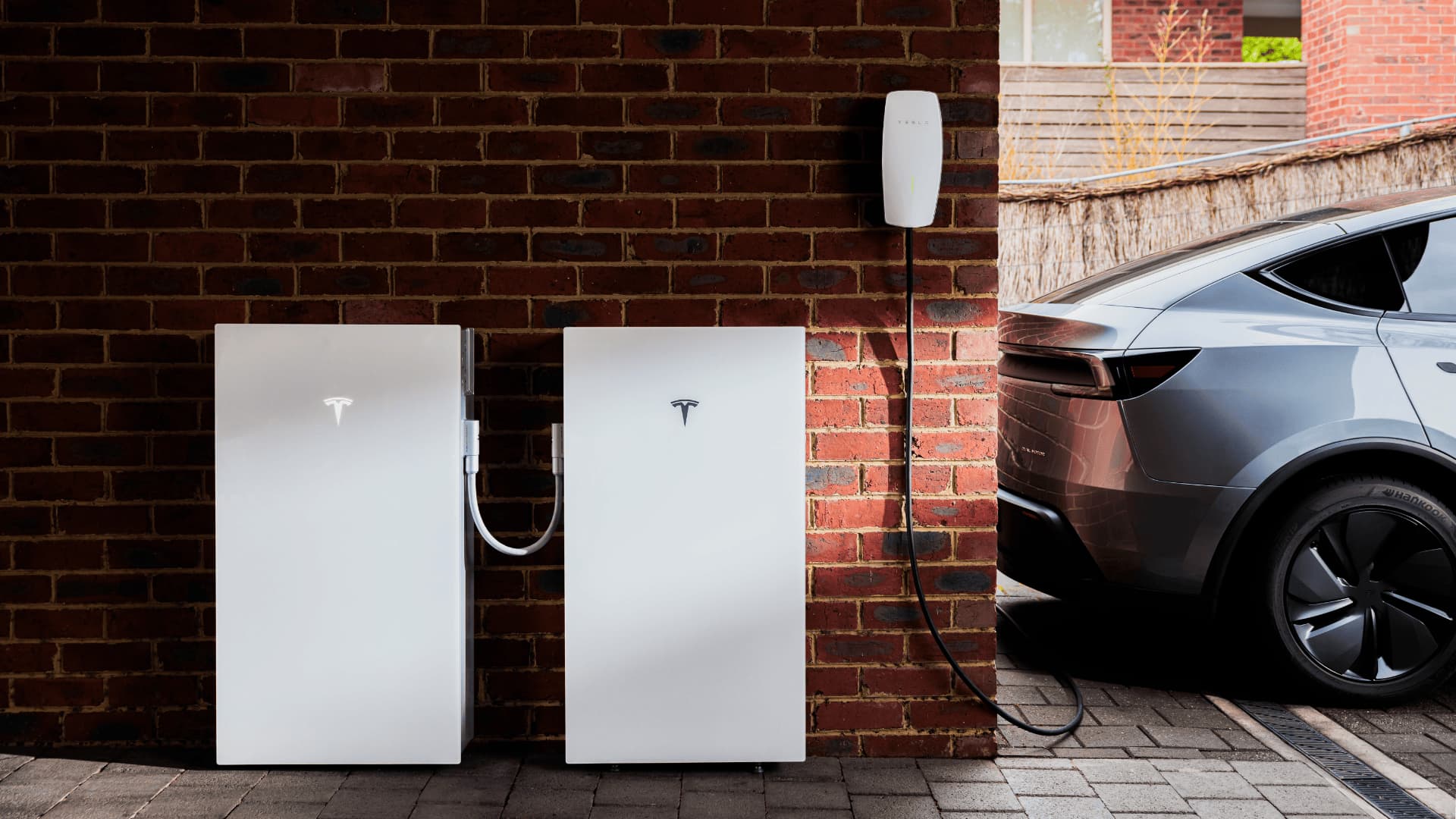
These are the two batteries Perth customers ask about most, and we install both. The comparison below is the one we walk through in the showroom: usable energy, backup power, how you add more later, EV charging, and the installed prices on the current listings. Both carry a 10-year warranty and qualify for the federal battery discount.
Nothing here is a ranking. A single Powerwall 3 and a single SigenStor module are different sizes of product. Comparing a 13.5 kWh unit with an 8 kWh unit on price alone makes the smaller one look cheaper for a job it was not asked to do.
Head to head
| Spec | Powerwall 3 | SigenStor |
|---|---|---|
| Usable capacity | 13.5 kWh, fixed per unit | 8.06 kWh module, stack from about 8 kWh to 48 kWh |
| Continuous output | 11.04 kW on the current listing; backup described as 11 kW | 6 kW on the base module; backup 6–12 kW depending on the stack |
| Solar inverter | Integrated, about 11 kW. Panels connect to the battery | Integrated hybrid, part of the 5-in-1 stack |
| EV charging | Separate Wall Connector | EV DC charger ready; optional DC module |
| Backup | Whole-home, with automatic switchover | Backup is part of the stack; power depends on how many modules |
| Installed from | $11,990 after the federal battery discount | $7,490 for the about-8 kWh module, after the federal battery discount |
| Warranty | 10 years | 10 years |
The short version of this page listed SigenStor backup as 6–12 kW depending on the stack, and the product listing shows 6 kW continuous on the base module. Both figures stay, because they describe different things: the base module's continuous output, and backup once the stack is larger. Do not quote 12 kW for a single 8 kWh module.
Powerwall 3
The Powerwall 3 is a fixed 13.5 kWh unit with an integrated solar inverter. Panels connect to it directly. Continuous output on the current listing is 11.04 kW, which is the "11 kW" the short version used for whole-home backup, including a Perth air-conditioner, through a blackout, with automatic switchover. Monitoring is the Tesla app.
One unit is what most of these homes need for overnight use. If the house is larger, up to four units can be installed together: 4 × 13.5 kWh is 54 kWh. You are adding whole extra Powerwalls, not small slices. That is simple, and it is also a bigger step in price than adding one SigenStor module.
The installed from-price is $11,990 after the federal battery discount. The rebates guide's illustration, a unit that would otherwise be about $17,000 coming down to roughly $12,000, is the same product at the same sort of net price. A 10 kW solar system plus a Powerwall 3 is listed at $26,980 before incentives and $17,990 after, which is a solar-and-battery package, not the battery-only from-price.
EV charging stays outside the battery. You add a Tesla Wall Connector. That is a clean split, and it is an extra device on the wall if the car is part of the brief.
Choose a Powerwall 3 when you want one box, whole-home backup at about 11 kW, and you are happy with 13.5 kWh as the unit size. The app and the single-product behaviour are the reasons people who do not want to design a stack end up here.
SigenStor
SigenStor is a modular stack. The current listing is 8.06 kWh of usable storage and 6 kW of continuous power, from $7,490 installed after the federal battery discount. The rebates table shows the same battery-only purchase at $10,700 before incentives and $7,490 after. Modules add in about-8 kWh steps up to 48 kWh.
The product is described as a 5-in-1: inverter, battery, EV DC charger ready, backup, and energy management, with the mySigen app. You can start at one module and add storage as the budget or the EV arrives, instead of buying 13.5 kWh on day one. Backup power in the original comparison is 6–12 kW depending on the stack, so a single module should be talked about as the 6 kW listing, and a larger stack as the thing that moves toward 12 kW.
The optional DC charging module is the part that does not exist on the Powerwall. If the household has an EV, or will have one, that module is the reason to look at SigenStor even when a Powerwall's 13.5 kWh would have covered the night. If there is no EV in the plan, you are paying for readiness you may not use, and the Powerwall's higher continuous output in one box is the simpler backup story.
How to choose without pretending they are the same size
- One battery, whole-home backup, no plan to grow in small steps: Powerwall 3. 13.5 kWh, about 11 kW, from $11,990.
- Start smaller, add modules later, or charge an EV from the same stack: SigenStor. About 8 kWh and 6 kW to start, from $7,490, up to 48 kWh.
- More than about 13.5 kWh but you want Tesla: a second Powerwall, not a fictional half-size unit. Two units are 27 kWh. Four are 54 kWh.
- Backup reserve and a VPP: settle the reserve before you enrol. Program rules differ, and they are covered in the VPP guide, not by the battery logo.
Both are eligible for the federal Cheaper Home Batteries discount. The WA state rebate and the no-interest loan have their own tests, including a compulsory VPP, and they are not automatic just because the battery is on this page. See the rebates guide.
Listings and the rest of the range are on the battery superstore. If the house already has solar and the question is only storage, say so at the quote. An integrated inverter is a feature when you are replacing or installing solar with the battery, and it is a different job when a working inverter is already on the wall.
Published 5 March 2026 · CEC Accredited Installers · Licensed Electrical Contractors (WA)