
If you own a battery in Perth, or you are about to, more than one virtual power plant will offer to use it. The offers are not the same product with different logos. One is a bill credit for occasional events. One is tied to a short list of hardware. One follows the wholesale price. And if you want the WA battery rebate or the state loan, joining a VPP is a condition, not a bonus.
This page keeps the three names from the short version — Synergy Battery Rewards, Plico and Amber — and adds the payment, hardware and backup points already published in our Plico and Synergy comparison and the WA battery scheme article. It does not add a new set of rates.
What a VPP actually does
A virtual power plant is a group of home batteries a retailer or aggregator can draw on when the grid is under stress. In Perth that is mostly hot February evenings, when air-conditioners and the after-work peak line up and rooftop solar has already fallen away. In return you are paid, usually as a credit on the bill, an upfront enrolment credit, or a per-event payment. You still own the battery (unless you chose a subscription product). You give the operator a limited right to charge or discharge it inside rules you should read.
Those rules are the whole decision: how often they cycle the battery, whether a backup reserve is protected, which brands they accept, and how you leave. A higher cent per event is not automatically more money across a year if the events are rare or the hardware you wanted is not on the list.
Synergy Battery Rewards
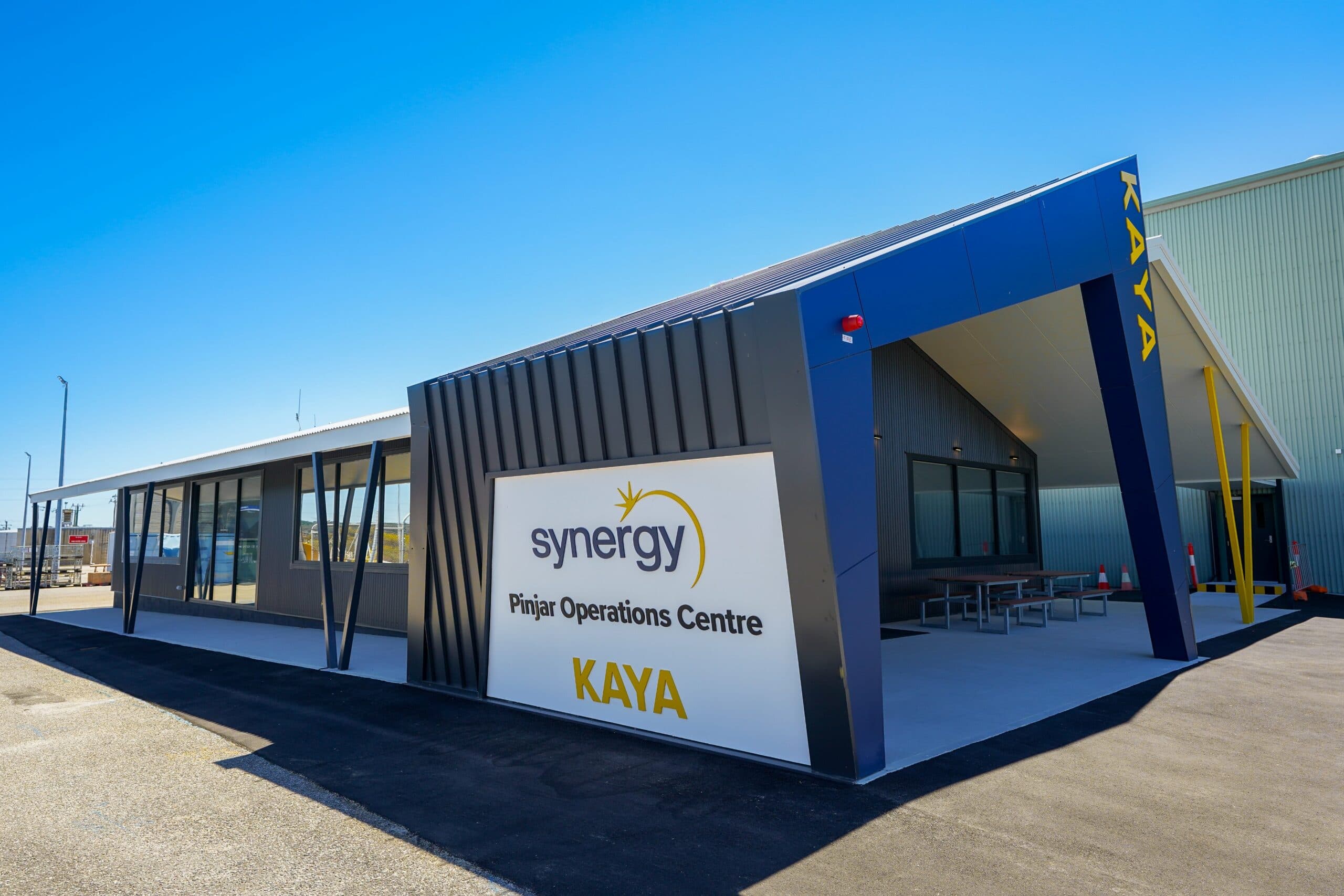
For a Synergy customer this is the default we describe in the showroom. Enrolment comes with an upfront credit plus payments when events run. Cycling is conservative, and the program is written to stay inside manufacturer warranty limits. The comparison article's reading of the two local programs is that most of the customers in that piece land on Synergy, and that you should pick the battery for a 10 to 15 year life and let the VPP follow.
The same article puts Synergy's per-event floor at 70c/kWh, against Plico's 97c/kWh minimum. The annual difference it calculates for a 10 kWh battery is only about $20 to $80. That is not a large enough gap to choose a battery brand you did not want. Synergy's supported-solutions list covers far more brands than Plico's. If the battery you are buying is a Powerwall, a SigenStor, a Sungrow, a BYD or a GoodWe, check that list before you assume Plico is even available.
The backup point is the one people skip. That article says Synergy does not guarantee a reserve after events. If you bought the battery so the house stays up in a blackout, ask what state of charge can be locked and what an event is allowed to take. "No guaranteed reserve" means an event can leave you with less than you hoped at the moment the street goes dark.
Joining Battery Rewards is also how many Synergy customers satisfy the WA scheme's VPP condition. The scheme article is blunt: a VPP is required for the state rebate and for the no-interest loan. Skipping the VPP means skipping those, not skipping the battery itself.
Plico
Plico shows up in two different descriptions, and they should not be mashed into one.
The short version of this guide described a subscription: you pay weekly for a solar and battery system Plico installs and maintains, they operate it in their fleet, the upfront cost is lower, and you do not own the asset for years. That is a financing and ownership model. It suits someone who wants the hardware without the capital cost and accepts that the system is not theirs yet.
The comparison article describes Plico's VPP payments for batteries already in play: a higher per-event floor (97c/kWh versus 70c), an annual gap of about $20 to $80 on a 10 kWh battery, and a hardware list limited to Redback and Alpha ESS. It also says Plico offers a configurable minimum state of charge, which is the reserve Synergy does not guarantee. If blackout cover is the priority and the battery is one of those two brands, that reserve is the real difference, not the few dollars a year in event payments.
Plico has published its own comparison, and it concludes in Plico's favour. Treat that the way you would treat any brand's comparison. Use the hardware list and the reserve rule, then decide.
Amber
Amber for Batteries is the wholesale option. Amber automates the battery to charge when wholesale prices are low and discharge into price spikes. The earning ceiling is the highest of the three, and so is the variability. Some months will look better than a fixed event credit. Some will not. It suits an owner who will actually look at the numbers, not someone who wants a set-and-forget credit.
We do not publish an Amber rate card on this page, because the short version did not quote one and wholesale prices are not a tariff we can freeze in a paragraph. If Amber is the plan, the current offer and the cycling limits need to be read against the battery warranty before anyone enrols.
What we tell most owners
For most batteries we install, Synergy Battery Rewards is the sensible default. The payments are real, the cycling is conservative, the brand list is wide, and it lines up with the WA scheme's VPP requirement. The extra per-event cents at Plico do not, on the comparison article's own annual gap, outweigh being locked to two brands. Amber remains the option for someone who wants wholesale exposure and will tolerate a noisy result.
Whichever you choose, settle these before you tick the box:
- Is a VPP compulsory for the rebate or loan you are counting on? For the WA scheme, yes.
- Is your battery on that program's supported list?
- What state of charge is protected for backup, and what can an event drain?
- How many events, and what happens to the warranty if cycling is heavier than the manufacturer allows?
- How do you leave, and is there a lock-in that outlasts the rebate?
We configure VPP enrolment as part of a battery installation when the customer is joining one. Bring the program terms to the design conversation. A battery chosen only because a VPP advertisement named it is backwards: choose the battery for the house, then join the VPP that will actually accept it.
Related reading: WA battery scheme, Synergy and Plico side by side, and Powerwall 3 and SigenStor.
Published 25 May 2026 · CEC Accredited Designer · 20+ years industry experience